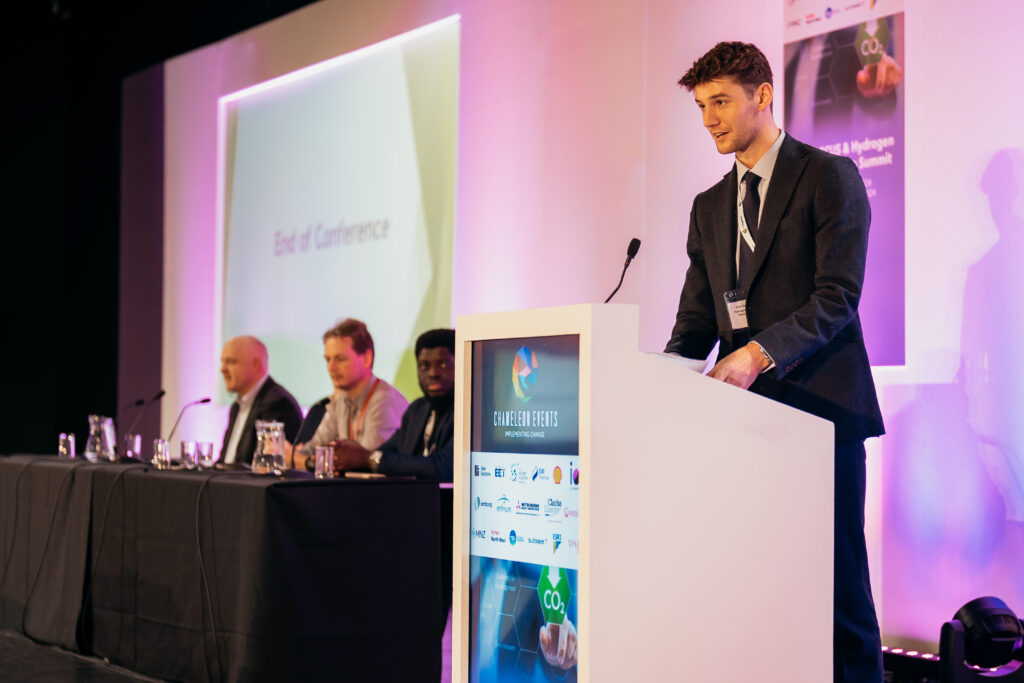
We spent a constructive few days in Leeds at the UK CCUS and Hydrogen Decarbonisation Summit 2024 this month – which focussed on the opportunities within the UK energy sector and how hydrogen can help the UK develop its own green energy source.
Now in its fifth year, this event brings together 750 + government officials, regulators, key industry stake holders, leading academia, and service companies, and the HEA is proud to be part of the conversation.
John Roberts, our lead policy analyst at the HEA, chaired a session on day three, review how hydrogen can decarbonise different industries not just the big energy intensive clusters in the UK.
The UK has several carbon intensive companies that contribute to the UK’s carbon emissions, and this session reviewed how to decarbonise smaller clusters or industries.
“It was a brilliant showcase of the pioneering work that key industry stakeholders are doing to ignite the UK hydrogen economy,” said John.
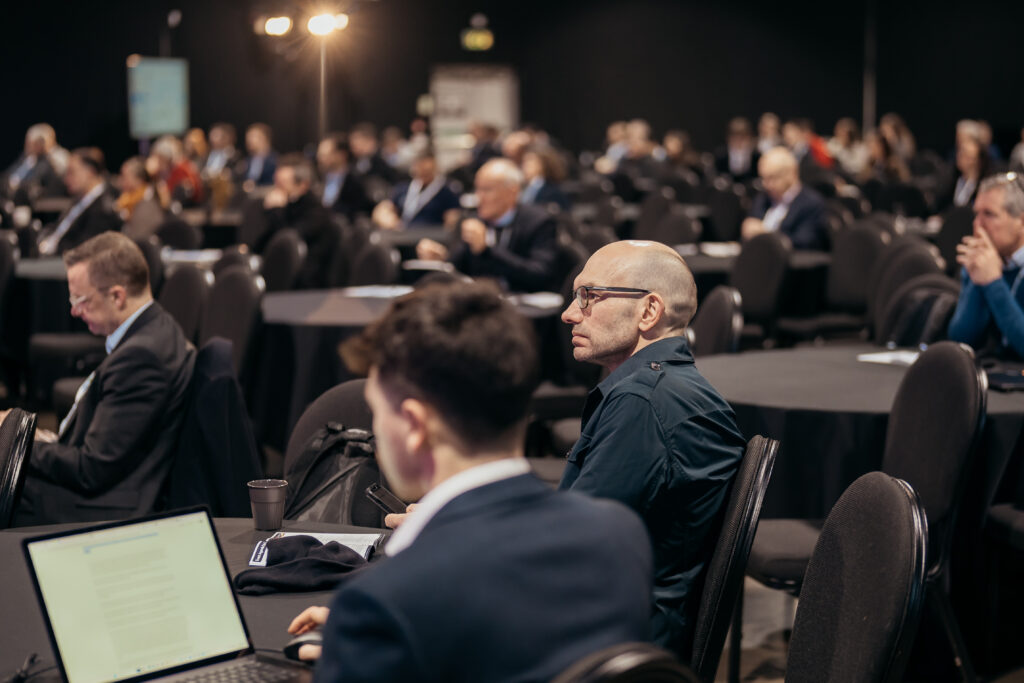
A presentation entitled “Decarbonisation of Industry through co-located green hydrogen production”, looked at how low carbon hydrogen could be a versatile replacement for high-carbon fuels used today – helping to bring down emissions in vital UK industrial sectors and providing flexible energy for power, heat and transport.
Grenian Hydrogen is a joint venture between Progressive Energy, Statkraft and Foresight that is seeking to deploy Electrolytic hydrogen in the North-West of England and North Wales to help decarbonise one of the UK’s industrial heartlands.
The discussion looked at how this could provide a model for decarbonisation of industry that can be deployed both UK and worldwide.
Find out more about this year’s UK CCUS and Hydrogen Decarbonisation Summit here, and learn more about our own upcoming conference in May, Acting on Ambition, here.